

Many managed service providers fall into the same trap: they try to appeal to every business that needs IT support. Their websites promise “comprehensive IT solutions,” “world-class customer service,” and “technology for businesses of all sizes.” While those statements may be true, they sound exactly like every other MSP in the market.
The result? Prospective clients struggle to understand why they should choose your company instead of the dozens of competitors offering similar services.
► Learn about our A.I. Solutions for Your Business
The most successful MSPs don’t win because they offer more services. They win because they’re positioned as the best choice for a specific type of customer or business challenge.
What Is Positioning?
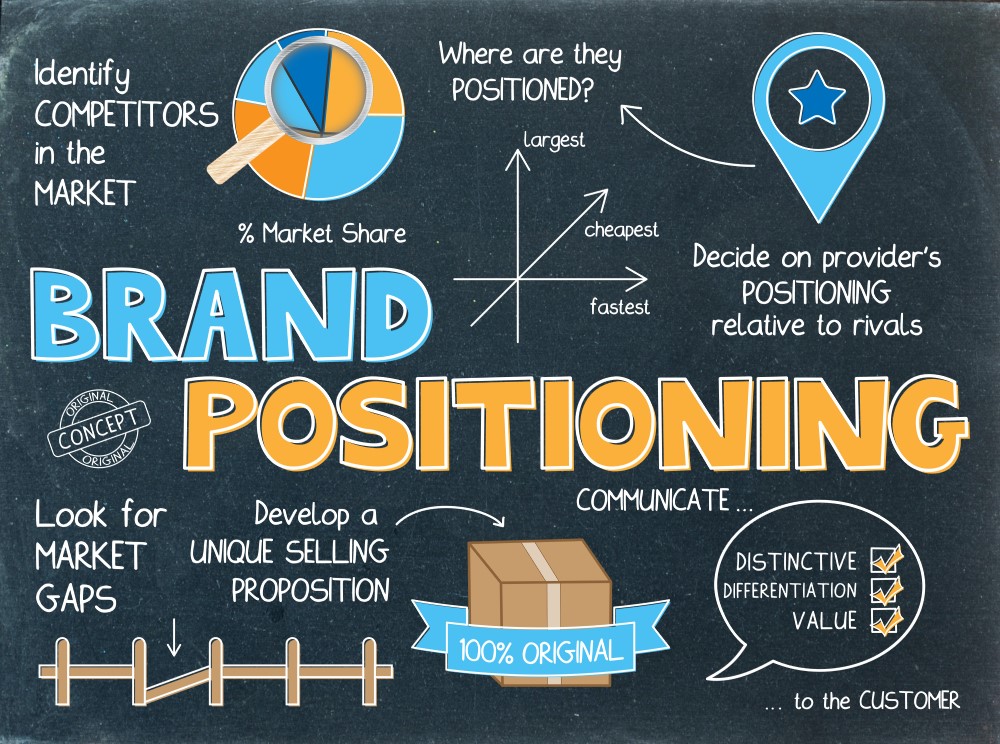
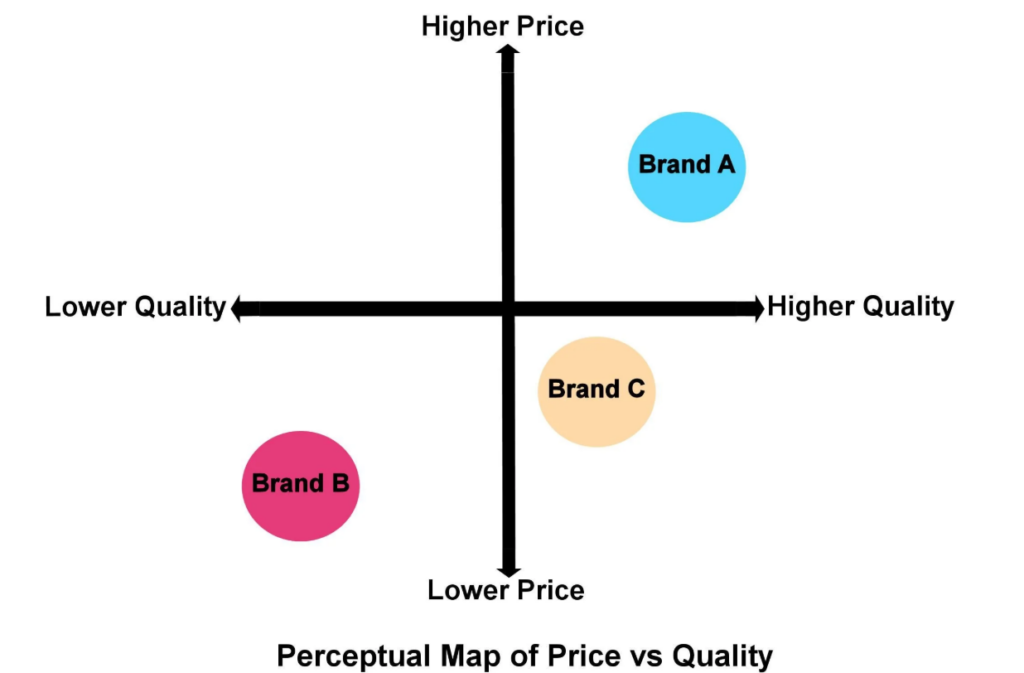
Positioning is the place your company occupies in a prospect’s mind compared to competing providers.
It’s the answer to a simple question:
“Why should I choose your MSP instead of another one?”
If your answer is based on generic claims like “great support,” “fast response times,” or “experienced technicians,” you’re unlikely to stand out. Nearly every MSP makes those same promises.
Strong positioning gives prospects a clear reason to believe your company is uniquely qualified to solve their problems.

The Cost of Generic Marketing
Many MSP websites look remarkably similar. They offer:
- Managed IT Services
- Cybersecurity
- Cloud Solutions
- Backup and Disaster Recovery
- Microsoft 365
- VoIP
- Help Desk Support
There’s nothing wrong with offering these services—they’re the foundation of most MSPs.
The problem is making them the centerpiece of your marketing.
Clients don’t buy managed services because you have a help desk or offer Microsoft 365 migrations. They buy because they want to reduce downtime, improve security, support growth, satisfy compliance requirements, or eliminate the stress of managing technology.
Focusing exclusively on services forces prospects to compare providers based on price rather than value.
Why Specialists Win More Business
Think about hiring a lawyer.
If you’re buying a home, would you rather hire a general attorney or one who specializes in real estate transactions?
If you’re facing an employment dispute, would you choose a general practice lawyer or an employment law expert?
Most people naturally gravitate toward specialists.
Business owners make similar decisions when choosing technology partners.
An MSP that specializes in serving healthcare organizations understands HIPAA compliance, electronic health record systems, and the operational challenges medical practices face.
An MSP focused on manufacturers knows production environments, industrial equipment connectivity, and minimizing downtime on the factory floor.
That specialization immediately creates confidence.
Positioning Doesn’t Mean Offering Fewer Services
One of the biggest misconceptions about positioning is that it limits business opportunities.
In reality, positioning changes how you market your business—not necessarily what you deliver.
For example, an MSP may specialize in professional services firms while still supporting clients in other industries.
Another provider may market itself as the cybersecurity-focused MSP while continuing to provide networking, cloud services, backup, and user support.
Your positioning becomes the front door to your business, while your complete service portfolio supports clients after they become customers.
Four Ways MSPs Can Differentiate Themselves
There isn’t one “correct” positioning strategy. Successful MSPs differentiate themselves in several ways.
1. Industry Expertise
Industry specialization remains one of the strongest positioning strategies.
Examples include:
- Healthcare
- Legal
- Manufacturing
- Financial services
- Construction
- Accounting firms
- Architecture and engineering
- Nonprofits
Industry expertise demonstrates that you understand your clients’ unique workflows, regulations, and business priorities.
2. Technical Specialization
Some MSPs build their reputation around a particular area of expertise.
Examples include:
- Cybersecurity
- Cloud infrastructure
- Microsoft 365
- Azure
- Compliance
- Business continuity
- AI adoption
- Virtual CIO services
Technical positioning works particularly well when demand for a specific solution is growing.
3. Business Outcomes
Clients don’t buy technology—they buy results.
Instead of leading with services, position your MSP around measurable outcomes like:
- Reducing downtime
- Improving cybersecurity maturity
- Supporting business growth
- Lowering IT costs
- Increasing employee productivity
- Meeting compliance requirements
This approach shifts conversations away from features and toward business value.
4. Customer Experience
Exceptional service can also become a differentiator—but only when it’s specific.
Rather than claiming to provide “great customer support,” explain what makes your experience different.
For example:
- Average response time under 10 minutes
- Dedicated account managers
- Quarterly technology roadmaps
- Unlimited strategic consulting
- Local engineers instead of outsourced support
Specific promises are more believable than broad marketing claims.
Positioning Makes Marketing Easier
A well-defined position improves every aspect of your marketing.
Your website becomes more focused.
Your messaging becomes more relevant.
Your content speaks directly to the challenges your ideal clients face.
Your sales conversations become more consultative.
Even your advertising performs better because you’re targeting a clearly defined audience with messaging that resonates.
Instead of trying to convince everyone, you’re connecting deeply with the businesses most likely to hire you.
A Simple Positioning Exercise
If your website could belong to almost any MSP, it’s time to sharpen your positioning.
Ask yourself these questions:
- Which clients are our most profitable?
- Which industries do we understand best?
- What problems do we solve exceptionally well?
- Why do customers stay with us?
- What do clients consistently praise about our service?
- What expertise do our competitors lack?
Patterns often emerge from these answers. Those patterns can become the foundation of your positioning strategy.
Positioning Is About Clarity, Not Exclusion
Some MSP owners worry that narrowing their focus means turning away business.
In practice, the opposite often happens.
Clear positioning helps the right prospects recognize themselves in your marketing. They feel understood, believe you have experience with businesses like theirs, and enter sales conversations with greater confidence.
Meanwhile, you’ll still receive opportunities outside your primary focus through referrals, existing relationships, and your broader reputation.
The difference is that your marketing becomes far more effective because it’s designed for someone specific instead of everyone.
► Discover our A.I. Solutions for Your Business
The Bottom Line
Every MSP offers technology services. That’s no longer enough to stand out.
The firms that consistently win new business are those with a clear point of view about who they serve, the problems they solve, and the value they deliver.
Positioning isn’t about limiting your business. It’s about making your expertise obvious to the clients you most want to attract.
When prospects immediately understand why your MSP is the right fit for their business, your marketing becomes more compelling, your sales process becomes smoother, and your pipeline is filled with better-qualified opportunities.
In today’s competitive MSP market, clarity beats complexity every time.
Like to know more? Contact us for a 15 minute A.I. and Business GROWTH Consultation & DEMO.