
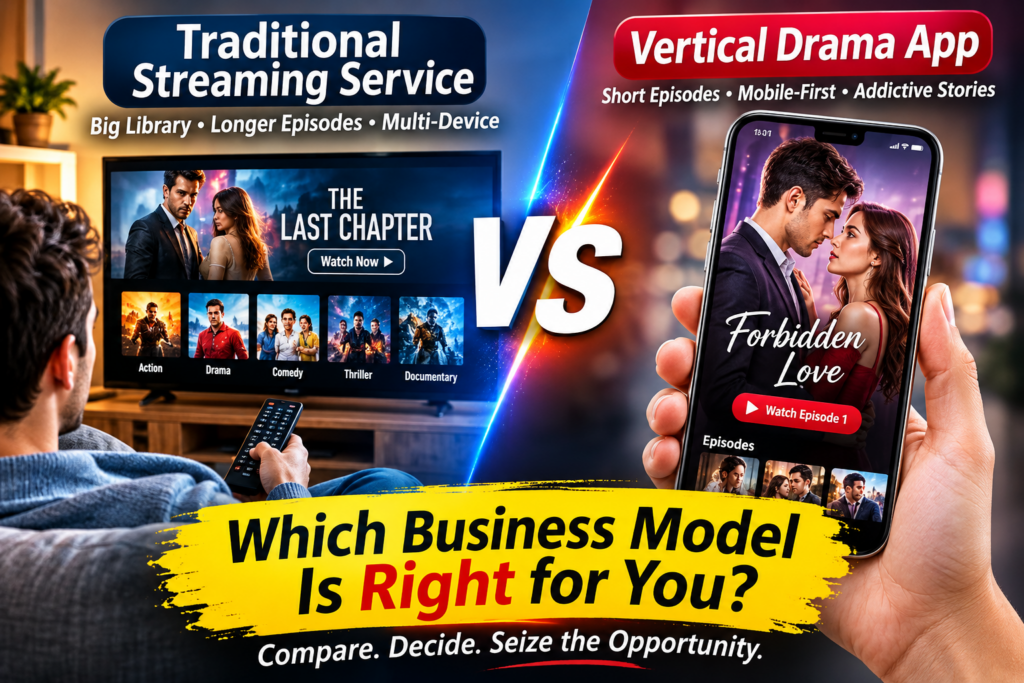
The streaming entertainment industry offers entrepreneurs more opportunities than ever before. From major subscription platforms to niche streaming services, viewers have become accustomed to watching entertainment whenever and wherever they want.
But a new category is attracting attention: vertical drama apps.
Learn more about our Vertical Drama App Package
These mobile-first platforms deliver short, serialized drama episodes designed to be watched on smartphones. Instead of sitting down for a 30- or 60-minute television episode, viewers can watch a dramatic story unfold in bite-sized installments, often just a few minutes long.
For filmmakers, content creators, entrepreneurs, and investors considering their own streaming business, an important question arises:
Should you start a vertical drama app or build a traditional streaming service?
Both business models offer opportunities, but they differ considerably in startup investment, content requirements, audience acquisition, viewing experience, monetization, and day-to-day operations.
Understanding those differences can help you decide which model is the better starting point for your business goals.
-
Startup Investment: A More Focused Way to Enter Streaming
One of the biggest differences between these two business models is the amount of investment and infrastructure required to get started.
A traditional streaming service typically needs a broad content library, licensing agreements, video delivery infrastructure, user accounts, payment processing, recommendation systems, and support for multiple devices. If you want to compete with established services, you may also need significant funding for original productions, content acquisition, and marketing.
Content can be particularly expensive. Licensing popular movies and television shows can require substantial upfront payments, while producing original series involves writers, actors, crews, locations, equipment, and post-production.
A vertical drama app can offer a more focused starting point.
Rather than launching with hundreds or thousands of hours of programming, you can concentrate on a specific audience and a smaller collection of compelling serialized stories. Episodes are shorter, production formats are more focused, and the platform is designed primarily for smartphone viewing.
A ready-made vertical drama app can also reduce the need to develop an entire technology platform from scratch. Instead of spending your resources building the basic application, you can start with an existing solution and focus on branding, content, marketing, and audience development.
The advantage: A vertical drama platform can provide a more manageable entry point into the streaming industry, although content, marketing, customization, and ongoing operating expenses still require investment.
-
Content Requirements: Large Libraries vs. Focused Storytelling
Traditional streaming services generally compete by offering extensive content libraries. Viewers expect a variety of movies, documentaries, television series, genres, and recognizable titles.
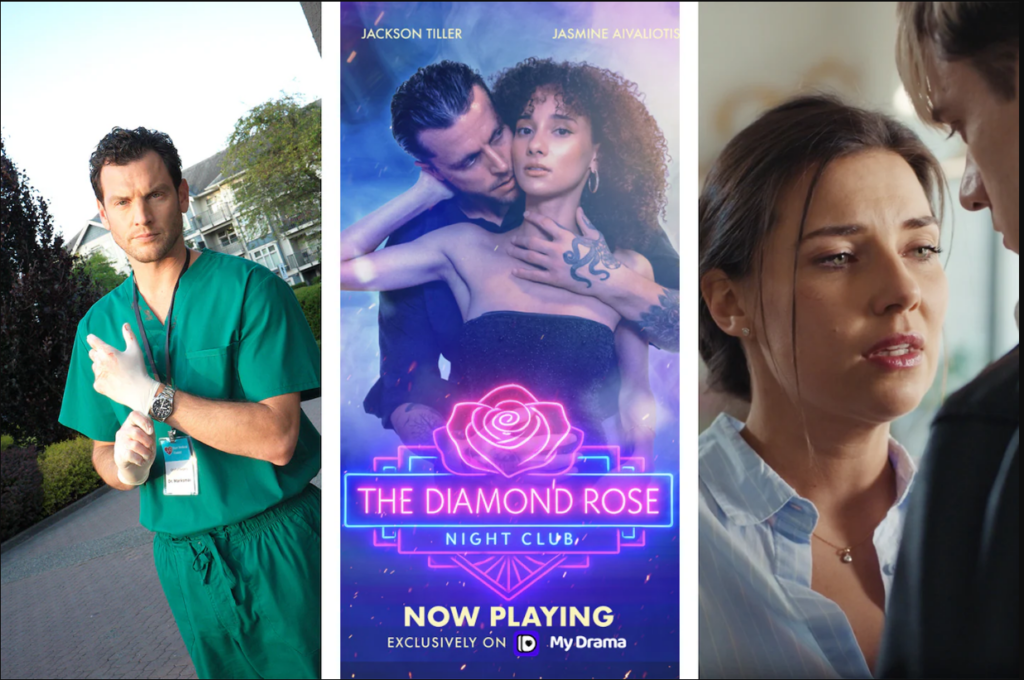
This creates an ongoing challenge: the platform must continually acquire or produce content to keep subscribers interested.
Vertical drama apps approach content differently.
Instead of requiring a massive library, they focus on short, serialized stories designed to keep viewers coming back for the next episode. Episodes often run approximately one to three minutes, with dramatic twists, emotional moments, and cliffhangers encouraging viewers to continue watching.
This creates opportunities for independent filmmakers and content creators.
You might begin with:
- Existing short films that can be adapted into episodic content.
- Original vertical drama series.
- Romantic dramas, thrillers, mysteries, or action stories.
- Content created specifically for mobile audiences.
- Partnerships with independent filmmakers and production companies.
You do not necessarily need to produce every series yourself. You could acquire distribution rights, collaborate with creators, produce AI content or commission original productions.
The important consideration is having enough quality content to attract viewers and encourage repeat engagement.
The advantage: A vertical drama app allows you to build a focused entertainment brand around a particular genre, audience, or storytelling style rather than trying to compete with the enormous content libraries of established streaming companies.
-
Audience Acquisition: Competing for Attention
Getting viewers to download your app and return regularly is one of the most important parts of either business model.
Traditional streaming services face intense competition from established brands such as Netflix, Disney+, and Amazon Prime Video. These companies have substantial marketing resources, recognizable intellectual property, and established subscriber bases.
A new traditional streaming service must give viewers a compelling reason to subscribe instead of using platforms they already know.
Vertical drama platforms have a different opportunity: their content is naturally suited to social media discovery.
Short, emotional scenes and dramatic cliffhangers can be turned into promotional clips for TikTok, Instagram Reels, Facebook, and YouTube Shorts. These clips can introduce viewers to a story and encourage them to download the app to watch what happens next.
Omdia reports that social platforms such as TikTok, Instagram, and YouTube are important discovery channels for microdramas. Its February 2026 research also found that U.S. ReelShort users spent an average of 35.7 minutes per day on the app, compared with 24.8 minutes for Netflix on mobile.
That is an interesting indication of the format’s engagement potential.
However, social media exposure does not automatically translate into paying subscribers. A platform still needs a consistent marketing strategy, compelling promotional content, and an effective process for converting viewers into customers.
The advantage: Vertical drama provides an opportunity to use short-form promotional content to attract viewers, test different stories, and build an audience around individual series.
-
Viewing Experience: Television Screens vs. Smartphones
Traditional streaming services are designed to support a wide range of viewing experiences.
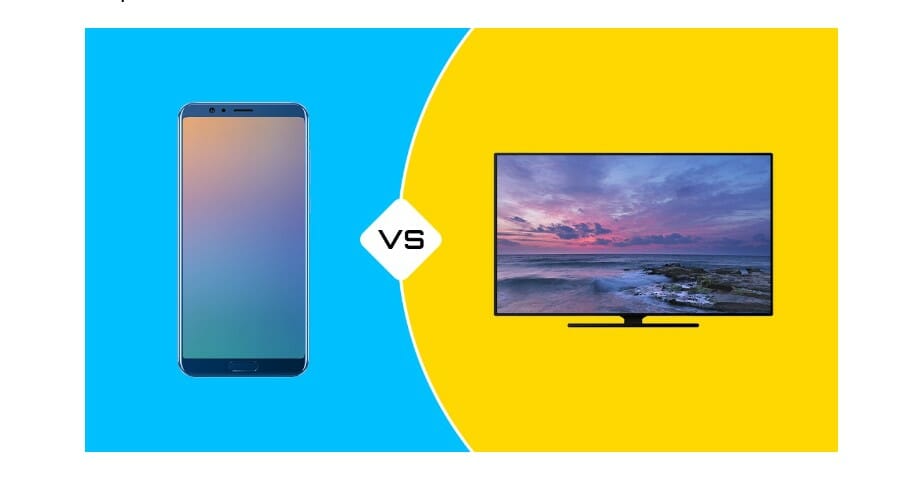
People watch movies and television shows on smart TVs, laptops, tablets, and smartphones. Content is generally produced in horizontal widescreen formats, with longer episodes and traditional television-style storytelling.
Vertical drama apps are designed around a different viewing habit.
The experience is built primarily for smartphones, with videos displayed vertically to fill the screen. Viewers can watch during breaks, while commuting, or whenever they have a few spare minutes.
The storytelling format is also different. Instead of developing a story over a traditional 30- or 60-minute episode, vertical dramas deliver smaller installments designed to maintain momentum.
Each episode may end with a surprising revelation, an unexpected event, or a cliffhanger that makes viewers want to watch the next installment.
This creates a more immediate and mobile-focused entertainment experience.
It also gives filmmakers an opportunity to experiment with different approaches to framing, pacing, dialogue, and storytelling.
The advantage: A vertical drama app is built around a specific viewing experience rather than trying to reproduce traditional television on a smaller screen.
-
Monetization: Multiple Ways to Generate Revenue
Both business models offer several ways to make money, but their monetization strategies can differ.
Traditional streaming services commonly rely on monthly subscriptions, advertising-supported plans, or a combination of the two. Some also generate revenue through licensing, distribution partnerships, and bundled subscription arrangements.
Vertical drama apps can use several revenue models:
- Paid episode unlocks: Viewers pay to access additional episodes or continue watching a series.
- Monthly subscriptions: Subscribers pay a recurring fee for access to premium content.
- Weekly subscriptions: Viewers purchase short-term access to premium episodes or series.
- Advertising: Revenue is generated by showing advertisements to viewers.
- Premium memberships: Customers pay for additional benefits or exclusive access.
- Sponsorships and product placement: Brands pay to be featured in productions or promotional campaigns.
- Licensing and distribution: Content owners can explore licensing their productions to other platforms or distribution partners.
Omdia estimated that global microdrama revenue reached approximately $11 billion in 2025 and forecast growth to $14 billion by the end of 2026. Its research also indicated that more than 60% of global microdrama revenue came from subscriptions or transactional payments.
These figures demonstrate the commercial potential of the format, but they represent the broader industry—not the expected revenue of a new app owner.
Your actual results will depend on content quality, audience size, customer acquisition costs, pricing, retention, and operating expenses.
The advantage: Vertical drama apps offer several ways to monetize individual episodes, complete series, and ongoing viewer relationships.
-
Operational Complexity: Running a Large Streaming Service vs. a Focused Platform
Running a traditional streaming service can involve considerable operational complexity.
You may need to manage large content libraries, licensing agreements, production schedules, distribution rights, customer support, payment systems, and technology across multiple devices.
You also need to keep acquiring content and maintaining a consistent viewing experience.
A vertical drama app can have a more focused operational structure.
Your primary responsibilities may include:
- Managing your branded streaming platform.
- Acquiring or producing vertical drama content.
- Organizing and publishing episodes.
- Promoting series and attracting viewers.
- Managing subscriptions and payments.
- Monitoring downloads, viewing activity, and revenue.
- Maintaining customer relationships.
A ready-made app can reduce some of the initial technology development work, but it does not eliminate the need for content management, marketing, customer service, or ongoing platform maintenance.
The key is to build an operation that matches your business model and available resources.
The advantage: A focused vertical drama business can allow entrepreneurs to concentrate more of their attention on content, branding, and audience growth rather than building a large traditional streaming operation from the ground up.
-
Which Business Model Is Right for You?
There is no single answer for everyone. The right choice depends on your experience, available investment, content resources, and long-term goals.
| Business consideration | Vertical drama app | Traditional streaming service |
| Startup approach | Focused, mobile-first platform | Broader streaming operation |
| Content | Short serialized stories | Movies, shows, and longer programming |
| Production needs | Can start with a focused catalog | Often requires a larger library |
| Audience acquisition | Short-form social promotion | Brand building and broader marketing |
| Viewing experience | Primarily vertical smartphone viewing | Multiple devices and screen formats |
| Monetization | Episode unlocks, subscriptions, ads | Subscriptions, ads, licensing |
| Operations | Focused content and platform management | More extensive content and distribution needs |
A vertical drama app may be especially attractive if you are:
- A filmmaker with existing productions or the ability to create original series.
- A content creator interested in building an entertainment brand.
- An entrepreneur looking for an opportunity in mobile-first entertainment.
- An investor exploring the growing short-form drama market.
- A production company interested in owning its own distribution channel.
A traditional streaming service may make more sense if you already have access to a substantial content library, established distribution relationships, significant capital, and the resources to operate a broader streaming business.
-
Build Your Own Vertical Drama Streaming Business
The opportunity with a vertical drama app is that you do not have to begin by building another traditional streaming giant.
You can start with a focused audience, develop a distinctive entertainment brand, and build a content library around stories designed for today’s mobile viewers.
More importantly, you can own the platform that delivers your content instead of relying entirely on third-party streaming services or social media channels to reach your audience.
With a ready-made vertical drama app, you can start with an existing platform and focus on the business-building activities that matter: developing your brand, acquiring or producing content, attracting viewers, and creating revenue opportunities.
You bring the vision, content, and business strategy. The platform provides the foundation for your streaming venture.
Discover more about our Vertical Drama App Package
The question is no longer just whether you should create more content. It’s whether you should own the platform where people watch it.
If you’re a filmmaker, content creator, entrepreneur, or investor interested in exploring this opportunity, now is a great time to learn how owning your own vertical drama streaming app could fit into your business plans.
Ready to explore owning your own streaming platform? Book a call to learn more about the ready-made vertical drama app and how you can turn your vision into your own branded entertainment business.
Like to know more? Contact us for a Branded Vertical App Consultation & DEMO.