
Wondering How It Could All Work For You?
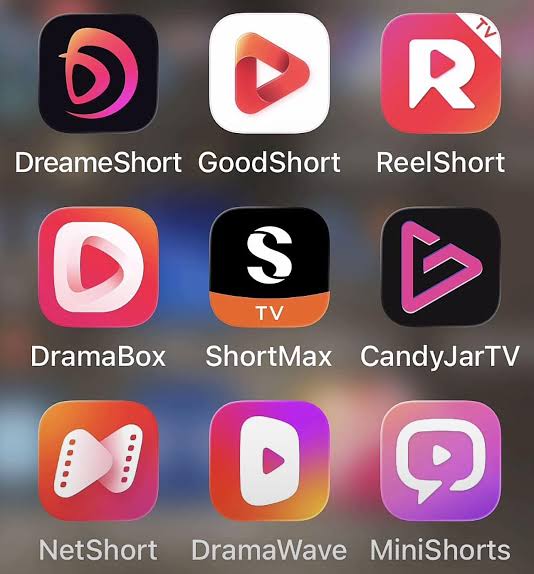
View These Vertical Drama App Case Studies…
The vertical drama industry offers some compelling examples of how mobile entertainment companies have turned short-form storytelling into substantial businesses.
Two companies worth studying are ReelShort and DramaBox.
Both demonstrate how a combination of engaging content, mobile technology, aggressive customer acquisition, and effective monetization can create a major entertainment business.
One important distinction: these companies do not publicly disclose every app-specific marketing expense. The figures below distinguish reported or third-party estimated revenue from marketing-cost estimates and company-level expenses. They should not be interpreted as audited profit-and-loss statements.
Case Study 1: ReelShort — Turning Short Dramas Into an Entertainment Powerhouse
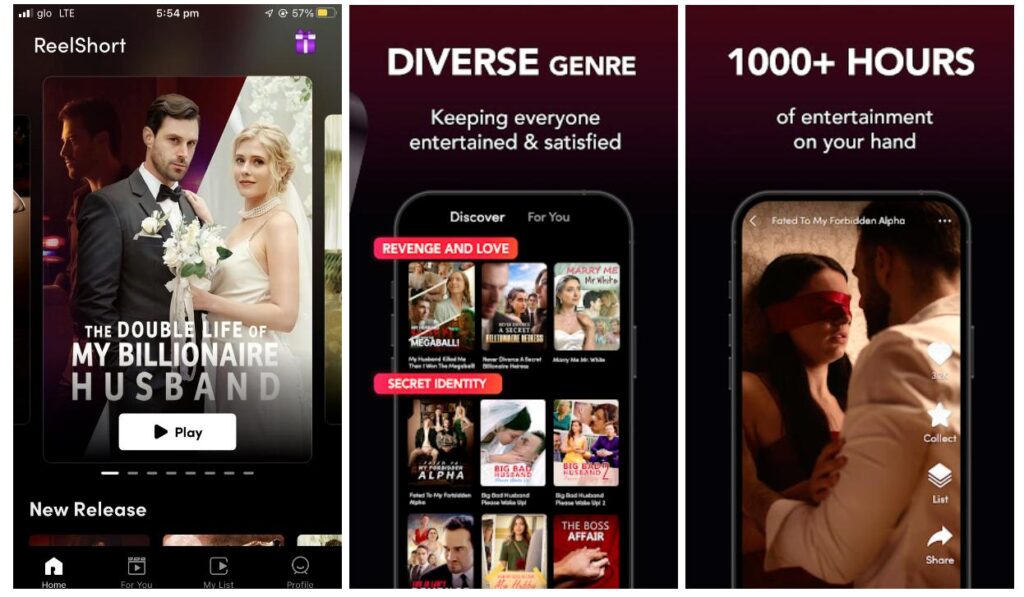
Company: Crazy Maple Studio
App launched: 2022
Business model: Paid episode unlocks, virtual coins, and subscriptions.
ReelShort is one of the strongest examples of how an entrepreneur can build a major entertainment business around vertical storytelling.
The company recognized an opportunity to deliver serialized entertainment specifically designed for smartphone users.
Rather than competing directly with traditional streaming platforms, ReelShort focused on short, emotionally engaging drama episodes, often ending with cliffhangers that encourage viewers to purchase access to subsequent episodes.
What made ReelShort successful?
-
Compelling storytelling: Romance, revenge, billionaire relationships, and other emotionally engaging genres.
-
Mobile-first experience: Content designed specifically for vertical smartphone viewing.
-
Aggressive advertising: Short dramatic scenes were used in social media advertisements to attract viewers.
-
Episode monetization: Viewers could watch introductory episodes and pay to unlock additional content.
-
Continuous content production: A growing library gave viewers more reasons to return.
INSEAD’s published business case reports that ReelShort reached 78.6 million downloads, 50 million monthly active users, and $272.9 million in revenue within its first two years. Other subsequent financial estimates and filings show even greater growth.
Revenue and marketing performance
| Financial metric | Year 1 (2023) | Year 3 (2025) |
|---|---|---|
| Revenue | ~$97 million | ~$785–$796 million |
| Marketing expense | Not separately disclosed | ~$432–$438 million estimated |
| Revenue growth | — | More than 8x Year 1 |
The revenue figures are based on published estimates and parent-company financial information. Media Partners Asia estimated user acquisition and marketing costs at approximately 55% of ReelShort’s 2025 revenue. The resulting marketing figure is a calculation, not a separately disclosed ReelShort advertising bill.
What entrepreneurs can learn from ReelShort
The biggest lesson is that the app itself is only part of the business. ReelShort built a system connecting content production, advertising, audience acquisition, and monetization.
Its marketing strategy used dramatic scenes to create curiosity and encourage viewers to download the app. Once viewers entered the platform, the episode-unlocking model created opportunities to generate additional revenue.
This is an important lesson for anyone considering launching their own vertical drama app: invest in content that captures attention, but also develop a marketing and monetization system that turns viewers into paying customers.