
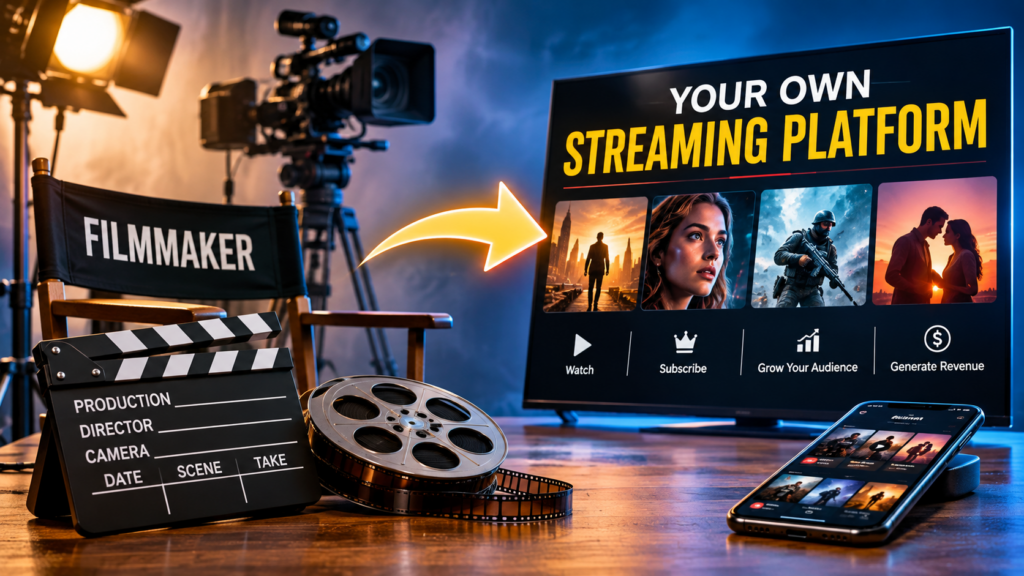
For years, independent filmmakers and content creators have faced the same challenge: creating great content is only half the battle. Getting that content in front of an audience, generating consistent revenue, and building a sustainable entertainment business can be much more difficult.
Traditionally, independent filmmakers have relied on film festivals, production companies, streaming services, distributors, YouTube, and social media platforms to showcase their work. While these channels offer exposure, they also come with limitations. You often have little control over distribution, monetization, audience relationships, or how your content is presented.
But what if you didn’t have to rely on someone else’s platform to distribute your productions?
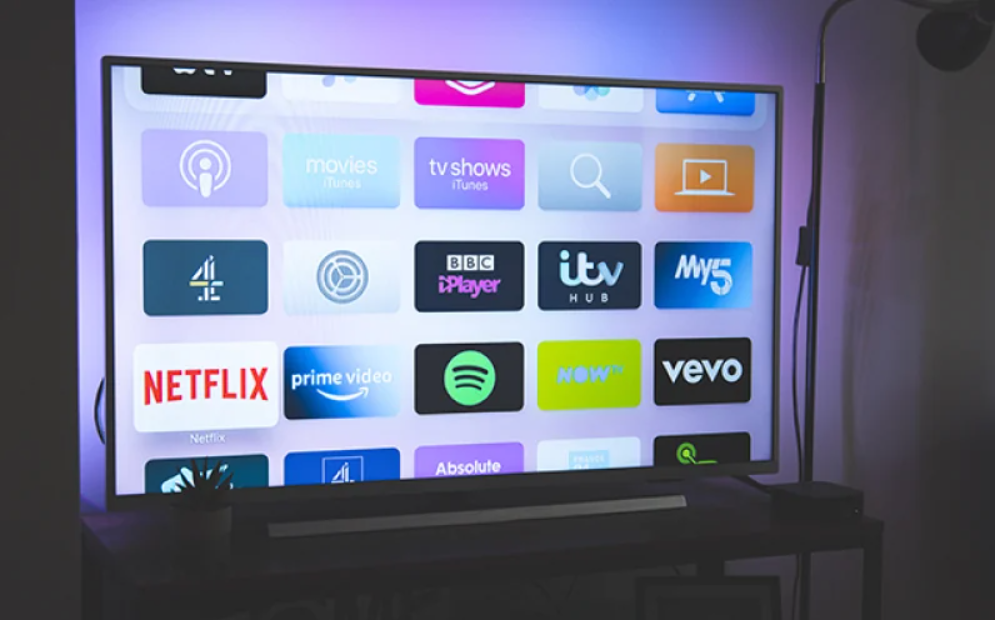
What if you could build your own branded streaming platform, similar to Netflix and Reel Short, where you control the content, own the brand, build an audience, and create multiple revenue streams?
With the growing popularity of vertical dramas and mobile-first entertainment, independent filmmakers now have an opportunity to move beyond simply producing content and become owners of their own streaming businesses.
Here’s how.
1. Stop Thinking Like a Filmmaker and Start Thinking Like a Media Company
One of the biggest differences between being a filmmaker and owning a streaming platform is the business model. As a filmmaker, your primary focus is producing movies, documentaries, television shows, or short-form content. Once production is complete, your next challenge is finding distribution.
As a streaming platform owner, your perspective changes.
Instead of creating a single production and looking for someone to distribute it, you’re building a destination where audiences can consistently return to watch your content.
Think about companies like Netflix, Hulu and Reel Short. Their businesses aren’t built around a single movie or television series. They’re built around a library of content that attracts and retains subscribers. You can apply a similar concept on a smaller, more focused scale.
For example, imagine you’re an independent filmmaker specializing in romantic dramas. Instead of distributing each production separately, you could launch your own branded streaming app dedicated to romantic entertainment.
Your platform could feature:
• Original romantic drama series.
• Short-form episodic productions.
• Exclusive independent films.
• Behind-the-scenes footage.
• Special releases and bonus content.
Rather than constantly searching for a new distributor, you have a platform where your productions can live together and support a larger business!
The objective is to transition from selling individual productions to building a recognizable entertainment brand.
2. Take Advantage of the Vertical Drama Revolution
One of the most interesting opportunities for independent filmmakers is the rapid growth of vertical drama entertainment.
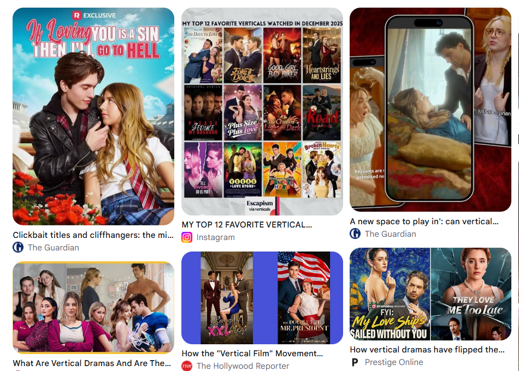
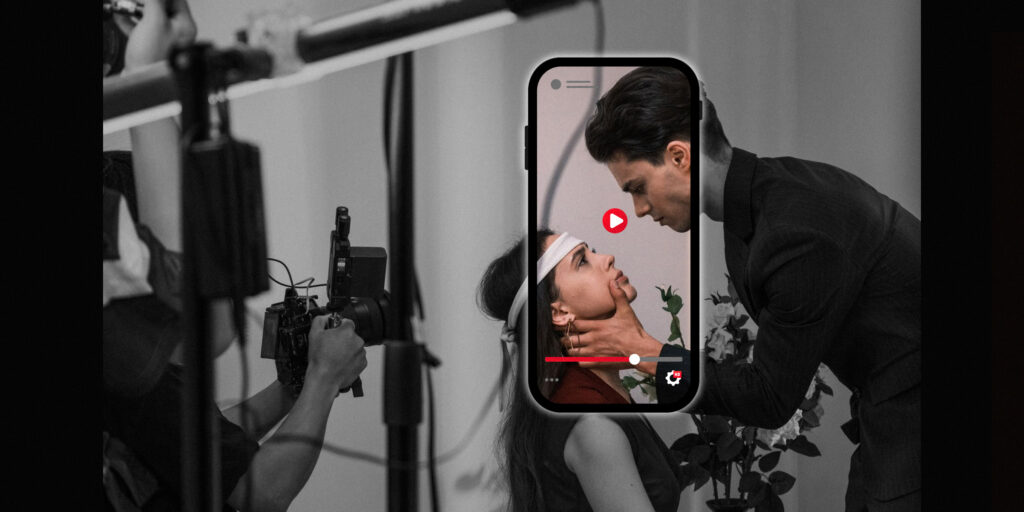
Vertical dramas are short, episodic productions designed primarily for smartphone viewing. Unlike traditional television and movies, which typically use a horizontal format, vertical dramas are filmed in a 9:16 aspect ratio.
These productions often feature:
• Episodes lasting approximately one to three minutes.
• Fast-paced storytelling.
• Dramatic plot twists.
• Compelling characters.
• Cliffhangers that encourage viewers to watch the next episode.
The format has gained popularity because it fits naturally into how people consume entertainment on their smartphones. For independent filmmakers, vertical dramas offer an alternative way to develop and distribute original stories.
You don’t necessarily need a traditional television production budget to create engaging episodic entertainment. You can develop shorter productions, experiment with different genres, and release episodes in a format designed for mobile audiences. Popular genres include romance, suspense, thriller, revenge, family drama, comedy, and science fiction.
More importantly, vertical dramas give you the opportunity to build a library of original content specifically designed for your streaming platform.
3. Turn Your Existing Content Library Into a Business Asset
If you’ve already spent years producing films, documentaries, web series, or other video content, you may have more business assets than you realize. Your existing productions can become the foundation of your own streaming platform. Start by taking inventory of everything you’ve created.
Consider organizing your content into categories such as:
• Feature films.
• Short films.
• Original episodic series.
• Documentaries.
• Vertical dramas.
• Independent television productions.
• Exclusive interviews and bonus footage.
You can then organize these productions into collections and categories that make it easy for viewers to discover content.
1. For example, a filmmaker with 15 independent films could launch a platform featuring a curated library of exclusive movies.
2. A production company specializing in horror could create a streaming destination dedicated to horror films, supernatural thrillers, and suspense series.
3. A content creator producing relationship-based entertainment could develop a platform featuring romantic dramas, relationship series, and exclusive original productions.
The key is to stop viewing your content as individual projects and start viewing it as a growing entertainment library.
Your content library is the foundation. Your streaming platform is the distribution business.
4. Build Your Own Branded Streaming App
Once you’ve identified your content and target audience, the next step is creating your streaming platform.
In the past, building a streaming service required significant technical resources, software development, infrastructure and ongoing maintenance.
Today, ready-made streaming app solutions can make entering the market much more accessible.
Instead of spending months developing an application from scratch, you can explore a prebuilt platform that can be branded and configured for your entertainment business.
Depending on the solution, your app may include features such as:
• Custom branding and app identity.
• Content libraries and video categories.
• User registration and profiles.
• Video streaming capabilities.
• Subscription and payment functionality.
• Premium content access.
• Episode organization.
• Mobile-friendly viewing experiences.
The goal is to create an experience that feels like your own entertainment network. Your audience downloads your app, discovers your content, and watches your productions through a platform carrying your brand.
You are no longer just a filmmaker uploading videos to third-party websites. You’re operating your own branded entertainment destination.

5. Create Multiple Revenue Streams From Your Content
Owning a streaming platform creates opportunities to monetize your productions in different ways. Rather than depending entirely on selling distribution rights or securing individual production deals, you can develop a business model around how audiences consume your content.
Here are several monetization options worth considering.
1 – Subscription-Based Revenue
Offer viewers access to your content library through monthly or annual subscriptions. Subscribers pay a recurring fee for access to your entertainment platform.
2 – Pay-Per-Episode
Charge viewers to unlock individual episodes or premium productions. This model is particularly relevant to vertical drama platforms, where audiences may be willing to pay to discover what happens next.
3 – Advertising Revenue
Offer free content supported by advertising. This can help attract viewers who aren’t ready to purchase a subscription.
4 – Freemium Content
Allow viewers to watch selected episodes or productions for free while charging for premium content and exclusive releases.
5 – Premium Memberships
Create higher-priced memberships that offer additional benefits, such as exclusive releases, early access, bonus content, or special collections.
The best monetization strategy depends on your audience, content library, viewing habits, and platform capabilities. You can also experiment with multiple revenue models rather than relying on a single source of income.
6. Build an Audience That Belongs to Your Brand
One of the biggest advantages of owning your streaming platform is the opportunity to develop a direct relationship with your audience. When you publish content exclusively on social media or third-party streaming platforms, you’re operating within someone else’s ecosystem. Algorithms change. Organic reach fluctuates. Platform policies evolve. Your ability to communicate with viewers may also be limited.
With your own streaming brand, you have the opportunity to build a more direct relationship with your customers.
You can promote your app through:
• Facebook, Instagram, Youtube and TikTok paid advertising.
• TikTok and YouTube content marketing.
• Uploading your app to app stores.
• Paid apps in app stores.
• Non-skippable TV ads with QR codes to download your app.
• Email marketing campaigns.
• Influencer partnerships.
• Film industry networking.
• Trailer releases and promotional campaigns.
• Collaborations with other filmmakers.
You can also use short clips, trailers, and behind-the-scenes content to generate interest in your full productions. For example, imagine releasing a dramatic 30-second scene from an upcoming vertical series on social media. The clip ends with a compelling cliffhanger and directs viewers to download your streaming app to watch the complete series.
This turns your social media presence into an audience acquisition channel for your own platform. Instead of simply collecting views, you’re working to convert viewers into registered users and paying customers.
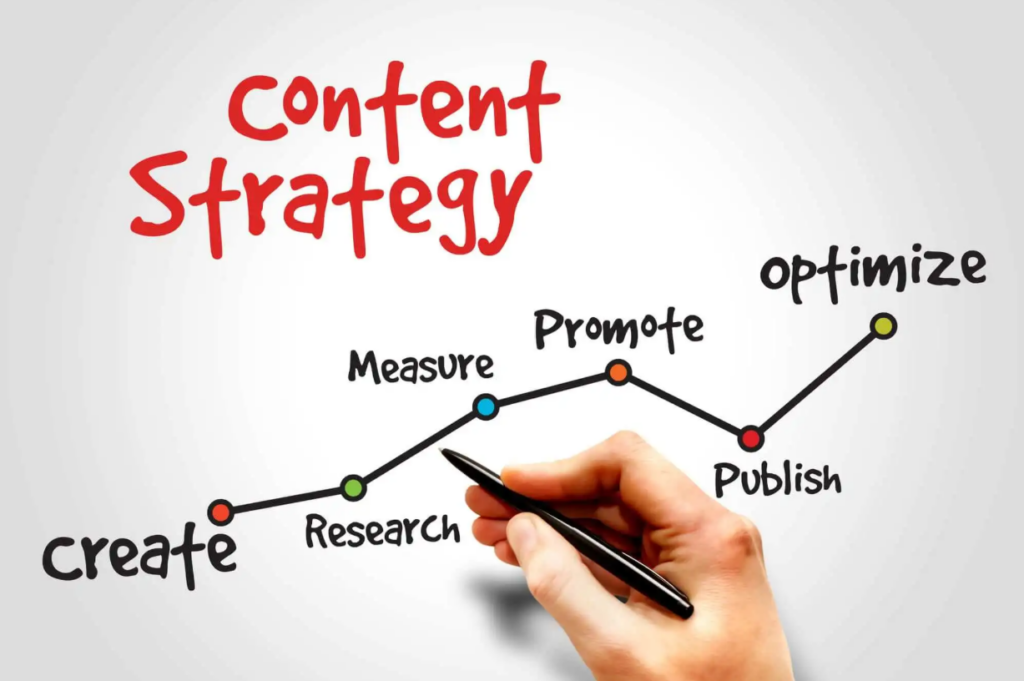
7. Develop a Content Strategy That Keeps Viewers Coming Back
A successful streaming business needs more than an app and a few videos. It needs a consistent content strategy. One of the biggest mistakes new streaming platform owners can make is launching with a small library and assuming viewers will continue returning without new releases.
Your objective should be to create a content pipeline. This doesn’t mean you need to produce expensive feature films every month. You can combine existing productions with smaller, more frequent original releases.
For example, your content strategy could include:
• Monthly original vertical drama releases.
• Weekly episodic content.
• Exclusive short films.
• Seasonal entertainment collections.
• Special premieres.
• Behind-the-scenes productions.
You can also collaborate with other independent filmmakers and content creators to expand your library. These partnerships can help you increase the amount of available content without producing everything yourself. Just make sure you establish appropriate licensing and distribution agreements before publishing other creators’ work.
Over time, your platform can evolve from a collection of your own productions into a larger entertainment network featuring multiple creators and original programming.
8. Think Beyond Producing Content: Build a Valuable Media Brand
The ultimate opportunity is not simply having your own mobile application. It’s building a recognizable entertainment brand.
Think about what makes your platform different.
Are you focused exclusively on romantic vertical dramas? Independent horror films? Action or horror? Urban entertainment? Faith-based productions? International storytelling? Or original short-form series?
The more clearly you define your audience and content identity, the easier it becomes to market your platform.
A focused streaming service can offer viewers something that larger, general-purpose platforms may not emphasize.
You can build your brand around a specific genre, audience, or entertainment experience.
As your content library grows, you can explore opportunities such as partnerships with production companies, licensing arrangements, collaborations with independent creators, and original productions.
Your streaming platform becomes the central distribution channel for your entertainment business. And unlike producing a single film and moving on to the next project, you’re building an asset that can continue growing as you add content, attract viewers, and develop new revenue opportunities.
Conclusion: It’s Time to Own More Than Your Content
Independent filmmakers and content creators have traditionally focused on producing great entertainment and finding someone else to distribute it.
But the opportunity to own your own streaming platform changes that equation.
You can take your existing productions, develop original vertical drama series, build a branded streaming app, establish a direct relationship with your audience, and create multiple opportunities to generate revenue from your content.
You don’t have to become Netflix overnight. You need a defined audience, compelling content, a workable business model, and the right technology to bring everything together. Most importantly, you need to start thinking beyond the next film or production.
What if your next project wasn’t just another movie you had to find distribution for? What if it became another addition to a streaming business you actually own?
The future of entertainment isn’t limited to the companies that already dominate the industry. Independent filmmakers and entrepreneurs have an opportunity to build their own entertainment brands and create new ways to distribute and monetize original content.
The question is: Are you ready to move from filmmaker to streaming platform owner?
Ready to Launch Your Own Vertical Drama Streaming App?
You already have the creative vision. You may already have the production experience, scripts, and content. Now you need the platform to bring your entertainment business to life. Our ready-made vertical drama app solution gives filmmakers, content creators and entrepreneurs an opportunity to launch their own branded vertical drama streaming platform without having to build the entire application from scratch.
Build your own entertainment brand, showcase your productions, and create a platform designed around your business vision.
Stop creating content for everyone else’s platforms. Start building one of your own.