
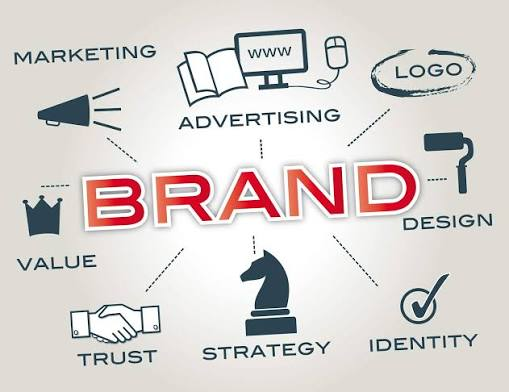
For many managed service providers, branding is an afterthought. It’s often reduced to choosing a logo, selecting a color palette, and launching a modern-looking website. While those elements matter, they aren’t what convince a business owner to trust you with their entire IT infrastructure.
Your brand is the reputation you’ve built in the minds of prospects before they ever schedule a discovery call.
When someone hears your company name, visits your website, reads your LinkedIn posts, or receives a referral, they’re forming an opinion about your business. That perception influences whether they contact you, how much they trust you, and even how much they’re willing to pay.
In today’s crowded MSP market, strong branding isn’t a luxury—it’s a competitive advantage.
► Learn about our A.I. Solutions for Your Business
What Is an MSP Brand?
Your brand is the combination of perceptions people have about your company.
It includes:
- Your positioning
- Your messaging
- Your visual identity
- Your reputation
- Your customer experience
- Your expertise
- Your content
- Your online reviews
- Every interaction someone has with your business
Many MSPs believe branding starts with design. In reality, design is simply how your brand is expressed visually.
A memorable logo can’t compensate for generic messaging or an unclear value proposition.
Why Branding Matters More Than Ever
Business owners have no shortage of IT providers to choose from.
Search for “managed IT services” in almost any city, and you’ll find dozens of companies offering nearly identical services:
- Managed IT
- Cybersecurity
- Microsoft 365
- Cloud Solutions
- Backup and Disaster Recovery
- Help Desk
- Network Management
When every competitor offers similar services, buyers look for other ways to differentiate them.
That’s where branding becomes important.
A strong brand communicates professionalism, consistency, expertise, and trust before a sales conversation even begins. Research in industrial and B2B markets has shown that stronger brands often enjoy greater visibility and can command premium pricing because buyers perceive them as lower-risk partners.
Branding Builds Trust
Unlike buying office equipment or software, hiring an MSP is a long-term relationship.
Clients are trusting you with:
- Sensitive business data
- Cybersecurity
- Employee productivity
- Business continuity
- Regulatory compliance
That level of responsibility requires confidence.
A polished, consistent brand signals that your business is organized, reliable, and capable of handling critical technology environments.
While branding alone won’t close a deal, it often determines whether a prospect is willing to start a conversation.
The Four Pillars of a Strong MSP Brand
1. Clear Positioning
Every great brand begins with clarity.
Ask yourself:
- Who do we serve?
- What problems do we solve?
- Why are we different?
- Why should someone hire us?
Instead of marketing to every small business, consider focusing on:
- Healthcare practices
- Law firms
- Manufacturing companies
- Financial services
- Construction firms
- Professional services
Specialization makes your marketing more relevant and memorable.
2. Consistent Messaging
Many MSP websites rely on vague statements like:
- “Technology solutions for your business.”
- “Your trusted IT partner.”
- “Exceptional customer service.”
These phrases are so common that they no longer communicate meaningful value.
Instead, focus your messaging on specific business outcomes.
For example:
- Reduce downtime through proactive IT management.
- Strengthen cybersecurity against evolving threats.
- Help growing businesses scale their technology with confidence.
- Simplify compliance with industry regulations.
Clear messaging helps prospects quickly understand the value you provide.
3. Professional Visual Identity
Your visual identity reinforces the impression your company makes.
This includes:
- Logo
- Color palette
- Typography
- Photography
- Icons
- Website design
- Proposal templates
- Sales presentations
- Social media graphics
Consistency is more important than complexity.
When every customer touchpoint looks cohesive, your business appears more established and trustworthy.

4. Thought Leadership
Modern buyers often research providers long before requesting a proposal.
Publishing valuable educational content demonstrates expertise while building familiarity with your brand.
Effective content includes:
- Blog articles
- LinkedIn posts
- Webinars
- Client success stories
- Industry reports
- Security guides
- Video explainers
Rather than repeating vendor marketing, share practical insights from your team’s real-world experience. Original expertise tends to build more credibility than generic content, particularly in technical services.
Deliver a Brand Through Customer Experience
Your brand doesn’t stop at your website.
Every interaction shapes how clients perceive your business.
Consider the experience across:
- Sales calls
- Onboarding
- Help desk interactions
- Quarterly business reviews
- Billing
- Project delivery
- Technical documentation
If your marketing promises proactive service but clients experience slow response times and poor communication, your brand loses credibility.
The strongest brands consistently deliver on their promises.

Build Social Proof
Trust grows when prospects see evidence that others have had positive experiences with your company.
Strengthen your brand with:
- Google reviews
- Testimonials
- Case studies
- Client success metrics
- Industry certifications
- Technology partner badges
- Awards and recognitions
These assets reduce perceived risk and help buyers feel more confident in choosing your MSP.
Create a Consistent Voice
Every piece of communication should reflect your company’s personality.
Whether someone reads your website, newsletter, or LinkedIn updates, the tone should feel familiar.
Your voice might be:
- Professional and authoritative
- Friendly and approachable
- Strategic and consultative
- Educational and practical
Consistency helps make your brand recognizable over time.
Common MSP Branding Mistakes
Many providers unintentionally weaken their brand by making avoidable mistakes.
Some of the most common include:
- Trying to appeal to every type of business
- Leading with services instead of business outcomes
- Using generic stock imagery on every page
- Inconsistent messaging across marketing channels
- Publishing only promotional content
- Neglecting online reviews
- Refreshing logos without clarifying positioning
Improving these areas can make your brand more distinctive and memorable.
Measuring the Strength of Your Brand
Branding isn’t measured by opinions alone.
Track indicators such as:
- Website conversion rates
- Direct traffic
- Branded search volume
- Referral business
- Review growth
- Social engagement
- Returning website visitors
- Sales close rates
- Average deal size
Over time, a stronger brand can contribute to more qualified leads, shorter sales cycles, and improved client retention.
► Discover our A.I. Solutions for Your Business
The Bottom Line
Every MSP offers technology services. Far fewer have built a brand that customers immediately recognize and trust.
A strong brand is the result of clear positioning, consistent messaging, professional presentation, valuable expertise, and an outstanding customer experience. It helps you stand out in a crowded market, attract better-fit clients, and compete on value rather than price.
Branding isn’t a one-time project. It’s an ongoing investment in how your company is perceived every time a prospect encounters your business. When you consistently reinforce what makes your MSP different and deliver on that promise, your brand becomes one of your most valuable business assets.
Like to know more? Contact us for a 15 minute A.I. and Business GROWTH Consultation & DEMO.