

Every managed service provider promises reliable IT support, proactive monitoring, cybersecurity, and responsive service. Visit the websites of five different MSPs, and you’ll likely see the same phrases repeated over and over:
- “Your trusted IT partner.”
- “Comprehensive IT solutions.”
- “Technology that helps your business grow.”
- “Exceptional customer service.”
While these statements sound professional, they don’t explain why a prospective client should choose one MSP over another.
That’s where a strong value proposition comes in.
► Learn about our A.I. Solutions for Your Business
A compelling value proposition clearly communicates who you serve, the problems you solve, and the unique value you deliver. It’s one of the most important pieces of your marketing because it shapes your website, sales conversations, advertising, and content strategy.
If prospects can’t quickly understand why your MSP is different, they’ll often compare providers based on price alone.
What Is an MSP Value Proposition?
A value proposition is a concise statement that explains why customers should choose your company instead of a competitor.
It answers three important questions:
- Who do you help?
- What problem do you solve?
- Why are you the best choice?
A good value proposition focuses on the customer’s goals rather than your services.
For example, compare these two statements.
Generic:
“We provide managed IT services, cybersecurity, cloud solutions, and help desk support.”
Value-focused:
“We help growing healthcare organizations reduce downtime, strengthen cybersecurity, and simplify HIPAA compliance through proactive managed IT services.”
The second example immediately tells prospects who the company serves, the challenges it addresses, and the outcomes clients can expect.
Why Your Value Proposition Matters
Business owners have more choices than ever when selecting an MSP. Most providers offer similar core services, making it difficult for buyers to distinguish one company from another.
A clear value proposition helps you:
- Differentiate your business
- Build trust more quickly
- Attract better-qualified leads
- Improve website conversions
- Support premium pricing
- Create more effective marketing campaigns
- Give your sales team a consistent message
Without a clear value proposition, your marketing often becomes a list of services rather than a compelling reason to work with your company.
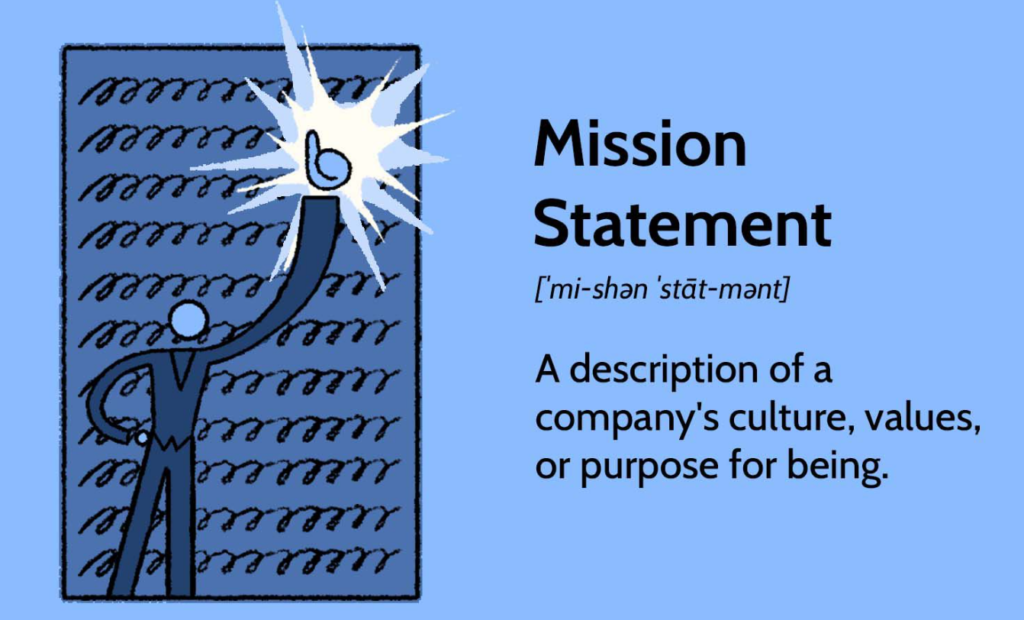
The Difference Between a Value Proposition and a Mission Statement
These two concepts are often confused, but they serve different purposes.
A mission statement explains why your company exists and what it aims to achieve.
A value proposition explains why a customer should choose your business.
For example:
Mission Statement
“To help businesses succeed through reliable and secure technology solutions.”
Value Proposition
“We help accounting firms reduce IT headaches, improve cybersecurity, and stay productive with proactive managed IT services designed for regulated businesses.”
The mission statement describes your purpose.
The value proposition explains the customer’s benefit.
The Building Blocks of a Strong MSP Value Proposition
The best value propositions combine four essential elements.
1. Define Your Ideal Customer
Trying to appeal to every business usually results in messaging that resonates with no one.
Instead, identify the organizations you serve best.
This could include:
- Healthcare providers
- Law firms
- Manufacturers
- Construction companies
- Financial services firms
- Businesses with 50–250 employees
- Multi-location organizations
The more specific your audience, the easier it becomes to create messaging that speaks directly to their needs.
2. Identify the Problems You Solve
Clients aren’t shopping for technology—they’re trying to solve business problems.
Common challenges include:
- Frequent downtime
- Slow employee productivity
- Increasing cybersecurity threats
- Compliance requirements
- Aging infrastructure
- Limited internal IT resources
- Difficulty supporting remote workers
Your value proposition should demonstrate that you understand these challenges and know how to address them.
3. Focus on Outcomes, Not Services
Many MSPs spend too much time describing what they do instead of what clients achieve.
Instead of leading with:
- Managed IT
- Help Desk
- Microsoft 365
- Backup
- Network Monitoring
Talk about the results your services deliver.
Examples include:
- Fewer technology disruptions
- Improved employee productivity
- Stronger cybersecurity
- Predictable IT costs
- Better compliance
- Faster business growth
- Reduced operational risk
Business owners care less about the tools you use and more about the impact those tools have on their organization.
4. Explain Why You’re Different
Every value proposition needs a differentiator.
Ask yourself:
- What expertise do we have that competitors don’t?
- What industries do we know particularly well?
- What processes make our service unique?
- What consistently earns positive client feedback?
Your differentiator might be:
- Industry specialization
- Cybersecurity expertise
- Local support
- Dedicated account managers
- Strategic IT consulting
- Fast response times backed by service level agreements
- Decades of experience with specific technologies
The key is to make your difference meaningful to your target audience.

A Simple Formula for Writing Your Value Proposition
If you’re struggling to put your value proposition into words, use this framework:
We help [target audience] solve [specific problem] by providing [solution], so they can [business outcome].
For example:
- We help manufacturing companies reduce costly downtime through proactive IT management and cybersecurity, so they can keep production running smoothly.
- We help growing law firms protect sensitive client data and improve employee productivity with secure, fully managed IT services.
- We help financial services firms meet compliance requirements while simplifying day-to-day IT management.
This framework keeps your message focused on customer value rather than your capabilities.
Where to Use Your Value Proposition
Your value proposition shouldn’t be hidden on an internal marketing document. It should guide nearly every customer-facing touchpoint.
Use it on your:
- Website homepage
- Service pages
- LinkedIn company profile
- Sales presentations
- Proposal templates
- Email campaigns
- Digital advertising
- Trade show materials
- Discovery call introductions
Consistency helps reinforce your message and makes your brand more memorable.
Common Value Proposition Mistakes
Many MSPs unintentionally weaken their messaging by making these common mistakes.
Being Too Generic
Statements like “excellent customer service” or “trusted technology partner” don’t differentiate your business because nearly every competitor makes the same claims.
Instead, be specific about the value you deliver.
Talking Only About Technology
Technology is the means—not the end.
Business owners care about reducing risk, increasing productivity, supporting growth, and improving profitability.
Connect your services to those outcomes.
Trying to Appeal to Everyone
Broad messaging often becomes forgettable.
It’s better to resonate strongly with a well-defined audience than weakly with everyone.
Focusing on Features
Prospects don’t buy software licenses, monitoring tools, or backup platforms.
They buy peace of mind, business continuity, security, and confidence that their technology will support their goals.
Shift your messaging from features to benefits.
Test and Refine Your Message
Your value proposition isn’t something you write once and forget.
As your business evolves, revisit your messaging.
Gather feedback from:
- Sales conversations
- Customer interviews
- Lost opportunities
- Website analytics
- Proposal win rates
- Client surveys
Pay attention to the language your customers use when describing why they chose your MSP. Those insights can help you refine your messaging and make it even more relevant.
► Discover our A.I. Solutions for Your Business
The Bottom Line
A strong value proposition is more than a marketing slogan—it’s a clear explanation of why your MSP is the right choice for your ideal customers.
When you define who you serve, understand the problems they face, focus on meaningful business outcomes, and communicate what makes your company different, you create messaging that attracts better-fit prospects and strengthens every stage of the buyer’s journey.
Instead of competing on price or a long list of technical services, you’ll compete on value, expertise, and the confidence you inspire. That’s a powerful advantage in today’s competitive MSP market—and one that can lead to stronger relationships, higher-quality leads, and sustainable long-term growth.
Like to know more? Contact us for a 15 minute A.I. and Business GROWTH Consultation & DEMO.