

For many managed service providers (MSPs), referrals have long been the primary source of new business. While referrals remain valuable, relying on them alone can make growth unpredictable. When referrals slow down, so does your sales pipeline.
That’s where search engine optimization (SEO) comes in.
SEO helps your MSP appear in search results when businesses are actively looking for managed IT services, cybersecurity support, cloud solutions, or other technology expertise. Unlike paid advertising, SEO builds long-term visibility that can generate qualified leads month after month.
► Learn about our A.I. Solutions for Your Business
The challenge is that many MSPs approach SEO by stuffing keywords onto their website or publishing generic blog posts that never rank.
Effective SEO is about understanding what your ideal clients are searching for, creating valuable content that answers their questions, and building a website that search engines trust.
Here’s how to build an SEO strategy that helps your MSP attract more qualified leads.
What Is MSP SEO?
MSP SEO is the process of improving your website so it appears higher in search engine results for keywords related to your services.
For example, potential clients might search for:
- Managed IT services
- IT support for small business
- Cybersecurity services
- Microsoft 365 consulting
- IT company near me
- Cloud migration services
- Virtual CIO services
The higher your website ranks for relevant searches, the more opportunities you have to attract businesses actively looking for IT solutions.
Unlike cold outreach or display advertising, SEO targets buyers with existing intent, making it one of the most effective long-term lead generation strategies.
Start with Keyword Research
Every successful SEO campaign begins with understanding what your audience is searching for.
Instead of guessing, identify the keywords your ideal clients use when researching IT providers or technology challenges.
Examples include:
Service Keywords
- Managed IT services
- IT support
- Co-managed IT
- Network security
- Backup and disaster recovery
- Microsoft 365 consulting
- Cloud services
Industry Keywords
- IT support for law firms
- Healthcare managed IT services
- Manufacturing IT services
- Construction IT support
- Accounting firm cybersecurity
EducationalKey words
- How to prevent ransomware
- What is managed IT?
- Cybersecurity checklist for small businesses
- How much do managed IT services cost?
- Signs you need an MSP
Educational content often attracts prospects early in the buying journey and helps establish your expertise.
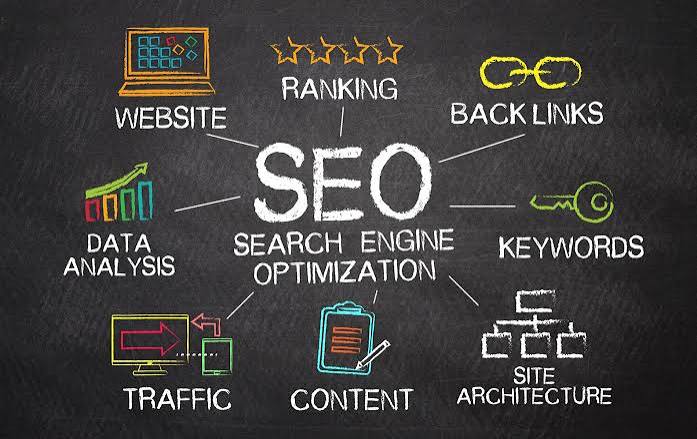
Optimize Your Website Structure
Your website should make it easy for both visitors and search engines to understand what you do.
A well-organized MSP website typically includes:
- Homepage
- About page
- Individual service pages
- Industry pages
- Location pages
- Blog
- Case studies
- Contact page
Rather than listing every service on a single page, create dedicated pages for each major offering.
For example:
- Managed IT Services
- Cybersecurity Services
- Cloud Solutions
- Microsoft 365
- Backup and Disaster Recovery
- IT Consulting
- Virtual CIO
Each page should focus on one primary topic and explain the business value of that service.
Create Helpful Content
Publishing helpful content is one of the most effective ways to improve your visibility.
Every blog article should answer a question your ideal customer is already asking.
Topics might include:
- How often should businesses perform cybersecurity risk assessments?
- What are the benefits of co-managed IT?
- How much do managed IT services cost?
- Microsoft 365 security best practices
- Cyber insurance requirements
- Preparing for a technology refresh
Instead of writing for search engines, write for decision-makers.
Useful, informative content is more likely to earn backlinks, generate engagement, and build trust with prospective clients.
Target Local SEO
Many MSPs primarily serve businesses within a defined geographic area.
Local SEO helps you appear when prospects search for providers in your region.
Important tactics include:
- Optimize your Google Business Profile
- Use consistent business information across online directories
- Collect customer reviews
- Create location-specific service pages
- Include your city and service area naturally throughout your website
For example, instead of a single generic service page, you might create pages for:
- Managed IT Services in Austin
- Cybersecurity Services in Denver
- IT Support in Charlotte
These pages should include unique, locally relevant content rather than duplicated text with only the city name changed.
Improve On-Page SEO
Every page on your website should follow SEO best practices.
This includes:
Title Tags
Use descriptive titles that include your primary keyword.
Example:
Managed IT Services for Small Businesses | ABC Technology
Meta Descriptions
Write compelling summaries that encourage users to click.
Headings
Use clear H1, H2, and H3 headings to organize your content.
Search engines use headings to understand the structure of your page.
Internal Links
Connect related pages throughout your website.
For example, your cybersecurity page can link to:
- Microsoft 365 Services
- Backup and Disaster Recovery
- Cybersecurity Blog Articles
Internal linking helps visitors discover additional content while strengthening your site’s overall SEO.

Build Trust Through Expertise
Search engines increasingly reward websites that demonstrate real expertise and authority.
You can strengthen your credibility by publishing:
- Original research
- Case studies
- Client success stories
- Industry insights
- Security alerts
- Practical how-to guides
Rather than repeating vendor marketing materials, share your own experiences solving real client challenges.
Original content helps distinguish your MSP from competitors publishing generic articles.
Don’t Ignore Technical SEO
Even excellent content can struggle to rank if your website has technical issues.
Review your website regularly to ensure it:
- Loads quickly
- Works well on mobile devices
- Uses HTTPS
- Has clear navigation
- Avoids broken links
- Includes descriptive image alt text
- Has an XML sitemap
- Uses structured data where appropriate
A technically sound website provides a better experience for visitors while making it easier for search engines to crawl your pages.
Earn Quality Backlinks
Backlinks remain an important ranking factor because they signal that other websites trust your content.
Some effective ways to earn links include:
- Publishing original research
- Writing guest articles
- Participating in local business organizations
- Sponsoring community events
- Creating downloadable resources
- Sharing cybersecurity reports
- Building partnerships with complementary businesses
Focus on quality rather than quantity. A few links from respected business or industry websites are generally more valuable than dozens of low-quality directory listings.
Measure What Matters
SEO is an ongoing process, not a one-time project.
Track metrics that reflect business impact, including:
- Organic website traffic
- Keyword rankings
- Contact form submissions
- Discovery calls
- Lead quality
- Conversion rates
- Time on page
- Bounce rate
Avoid focusing only on rankings. The ultimate goal is generating qualified leads that become long-term managed services clients.
Common MSP SEO Mistakes
Many providers struggle with SEO because they make avoidable mistakes.
Some of the most common include:
- Targeting overly broad keywords
- Publishing thin or duplicate content
- Ignoring local SEO
- Creating pages without a clear purpose
- Neglecting technical website performance
- Writing only about company news instead of customer problems
- Failing to update older content
SEO rewards websites that consistently provide value over time.
Build a Content Marketing Strategy
One of the best ways to improve your SEO is to organize your content around related topics.
For example, if you specialize in cybersecurity, create a content cluster that includes articles on:
- Cybersecurity risk assessments
- Ransomware prevention
- Multi-factor authentication
- Cyber insurance
- Endpoint protection
- Security awareness training
Link these articles to a comprehensive pillar page on cybersecurity for small businesses.
This approach helps search engines understand your expertise while making it easier for visitors to explore related topics.
The Bottom Line
SEO is one of the most effective long-term marketing investments an MSP can make. It helps your business connect with organizations that are actively searching for technology solutions, builds credibility before the first sales conversation, and creates a steady stream of qualified opportunities.
Success doesn’t come from chasing search engine algorithms or publishing content for the sake of keywords. It comes from understanding your ideal clients, answering their questions, demonstrating your expertise, and creating a website that delivers a great user experience.
When combined with a strong niche, clear positioning, and valuable educational content, SEO becomes far more than a way to improve rankings—it becomes a sustainable engine for business growth. By consistently publishing helpful content and optimizing your online presence, your MSP can build visibility, earn trust, and attract the kinds of clients you want to serve for years to come.
Now onto AI search…
AI Search Is Changing How Businesses Find MSPs

Search is evolving rapidly. Traditional search engines still play a critical role in helping businesses discover MSPs, but artificial intelligence (AI) is changing how people find and evaluate information online.
Instead of typing a few keywords into a search engine and clicking through multiple websites, many business leaders now ask AI-powered search tools detailed questions such as:
- Who are the best MSPs for manufacturing companies?
- What should a law firm look for in a managed IT provider?
- How much should a business spend on managed IT services?
- Which cybersecurity solutions are most important for small businesses?
Rather than presenting a list of links, AI search platforms often generate direct answers by synthesizing information from multiple trusted sources. This shift means MSPs need to think beyond traditional keyword rankings and focus on becoming authoritative sources of information.
What Is AI Search?
AI search refers to search experiences powered by large language models that summarize information instead of simply displaying a list of web pages.
Examples include AI-generated search summaries, conversational search assistants, and enterprise AI tools that help users research vendors and solutions.
While these platforms work differently, they all reward websites that demonstrate expertise, authority, and trustworthiness.
In other words, creating genuinely useful content is becoming even more important.
Authority Matters More Than Ever
AI systems are designed to identify high-quality information from credible sources.
For MSPs, this means publishing content that reflects real-world expertise rather than generic marketing copy.
Ask yourself:
- Does this article answer a specific business question?
- Does it include practical advice?
- Does it demonstrate firsthand experience?
- Is the information current?
- Would someone bookmark or share this resource?
The more valuable your content is, the more likely it is to be referenced by search engines, AI-powered search experiences, and potential customers.
Create Topic Clusters Instead of Isolated Articles
One blog post is rarely enough to establish authority.
Instead, organize your content into related topic clusters.
For example, if cybersecurity is one of your core services, create a collection of interconnected articles covering topics such as:
- Ransomware prevention
- Cybersecurity risk assessments
- Cyber insurance requirements
- Security awareness training
- Multi-factor authentication
- Endpoint detection and response
- Incident response planning
These articles should all link to a comprehensive cybersecurity pillar page.
This structure helps both users and search engines understand that your MSP has deep expertise in the subject.

Demonstrate Real Experience
AI search increasingly favors content that reflects firsthand knowledge rather than information that simply repeats what already exists online.
One of the best ways to demonstrate experience is by sharing examples from your own work.
Consider creating content based on:
- Client success stories
- Lessons learned from technology projects
- Common security vulnerabilities you’ve identified
- Frequently asked customer questions
- Industry trends you’ve observed
- Best practices your engineers recommend
These insights are difficult for competitors to replicate because they come directly from your team’s experience.
Refresh Existing Content
SEO is no longer about publishing an article and forgetting about it.
Technology changes quickly, and outdated content can lose visibility over time.
Review your most important pages at least once or twice a year.
Update:
- Statistics
- Product information
- Security recommendations
- Screenshots
- Internal links
- Calls to action
Fresh, accurate content is more useful for readers and more likely to remain competitive in both traditional and AI-powered search results.
Optimize for Questions, Not Just Keywords
Business owners increasingly ask complete questions instead of searching with short keyword phrases.
Instead of optimizing only for “managed IT services,” create content that answers questions such as:
- What does an MSP actually do?
- How do I know if my business needs managed IT services?
- What should I expect to pay for IT support?
- How do I choose the right MSP?
- What questions should I ask before signing an IT contract?
Use descriptive headings, concise answers, bullet points, and clear explanations. Well-structured content is easier for both readers and AI systems to understand.
Build Your Brand Beyond Search
As AI changes how people discover information, your overall digital presence becomes increasingly important.
Prospective clients may encounter your company through search engines, LinkedIn, webinars, podcasts, industry publications, online reviews, or referrals before they ever visit your website.
Maintain a consistent presence by:
- Publishing educational LinkedIn content
- Encouraging satisfied clients to leave reviews
- Speaking at local business events
- Participating in industry associations
- Producing webinars or video content
- Sharing original research and insights
The stronger your reputation across multiple channels, the more signals of credibility your business sends to both potential clients and search platforms.
► Discover our A.I. Solutions for Your Business
The Future of SEO Is Helping People
Despite rapid advances in AI, one principle hasn’t changed: search engines aim to connect users with the most helpful, accurate, and trustworthy information available.
For MSPs, the winning strategy isn’t trying to outsmart algorithms. It’s becoming the most reliable source of information for your target audience.
When your website consistently answers important questions, demonstrates real expertise, and helps business leaders make better technology decisions, you’ll be well positioned to succeed in both traditional search results and the next generation of AI-powered search experiences.
Like to know more? Contact us for a 15 minute A.I. and Business GROWTH Consultation & DEMO.